San Vincenzo al Volturno: the abbey’s rise, splendour and rebirth
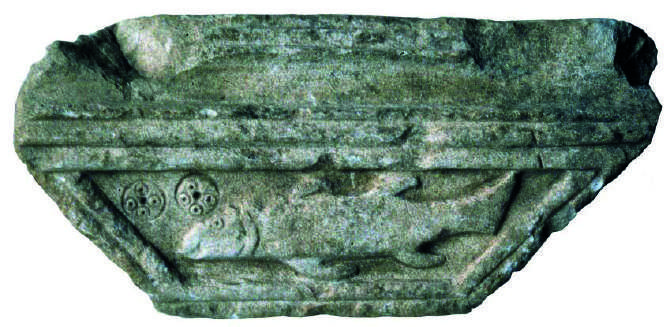
Beyond the Roman finds, the museum’s next galleries reveal evidence of the medieval Volturno area between the 9th and 12th centuries.
The objects come from the Benedictine complex of San Vincenzo al Volturno, one of the most important religious, cultural and economic centres of early medieval western Europe. Founded in the early 8th century by three nobles from Benevento (Paldo, Taso and Tato), the monastery became a Carolingian imperial abbey under Charlemagne’s direct protection.
On 10 October 881, a devastating Saracen raid destroyed the monastic basilicas and scattered the community. Following a partial Ottonian revival, at the end of the 11th century the monks moved the monastery to the more sheltered right bank of the Volturno. Beneath the ruins they left an extraordinary archaeological wealth of glass, metalwork, frescoes and sculpture, now preserved in Venafro.